How Swedish Licensing Rules Shape Real-Time Payout Speeds in Mobile Wagering Apps
Skriven av Casey Richter · 2026-08-19
How Swedish Licensing Rules Shape Real-Time Payout Speeds in Mobile Wagering Apps
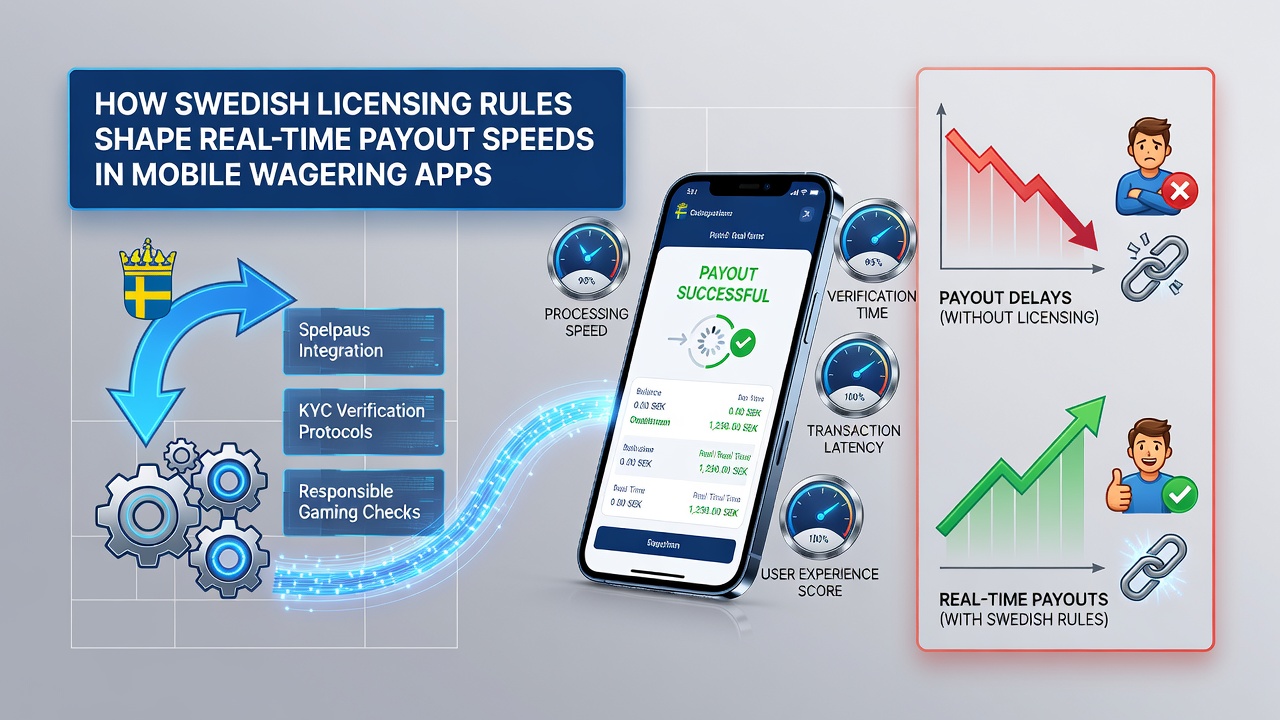
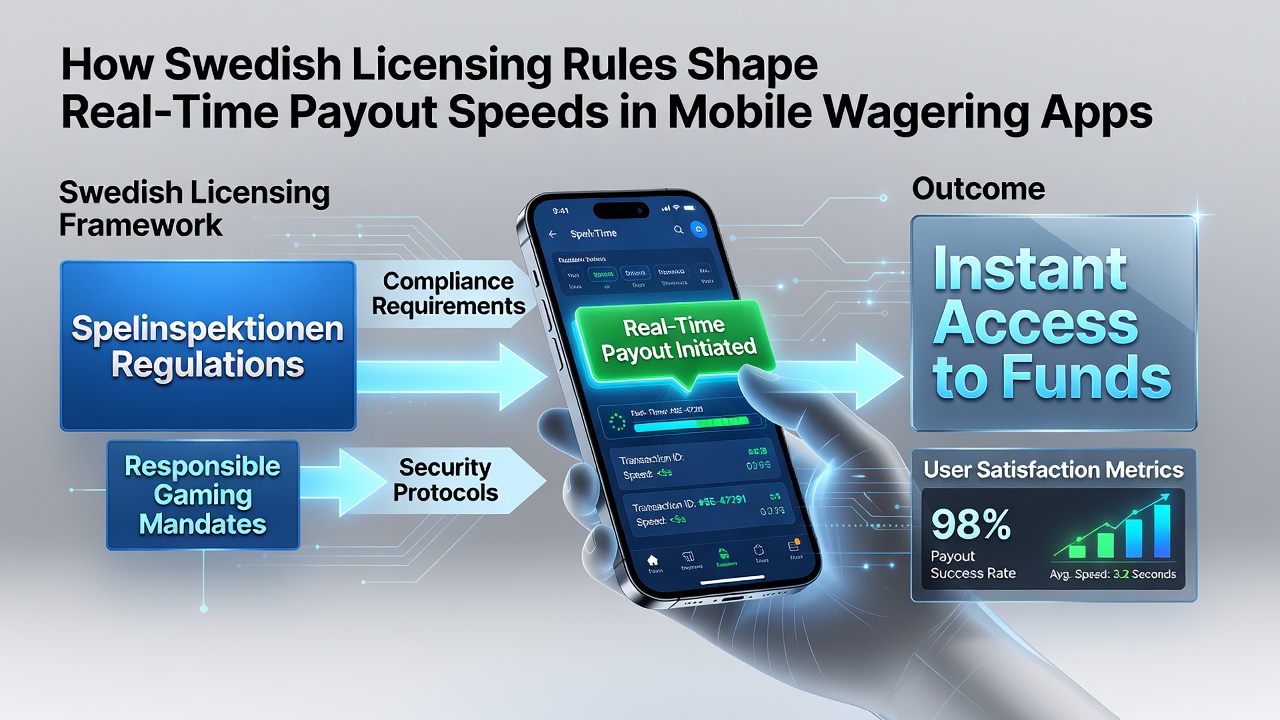
Swedish licensing requirements under the Gambling Act place specific obligations on operators that directly influence how quickly mobile wagering apps process withdrawals, and these rules have created a framework where real-time payouts depend on automated verification systems meeting strict compliance standards. Operators holding licenses from Spelinspektionen must integrate player identification checks and transaction monitoring into every payout request, which shapes the technical architecture of mobile platforms.
Core Licensing Obligations Affecting Withdrawals
Spelinspektionen mandates that licensed entities maintain systems capable of verifying player identities before releasing funds, and this process ties directly into payout timelines because operators cannot complete withdrawals without confirming account details against official records. Data from the authority shows that licensed apps typically route requests through centralized databases, allowing some platforms to achieve same-minute approvals when pre-verified users initiate transfers via trusted payment methods. Yet the requirement for ongoing monitoring means every transaction undergoes automated risk assessment, which adds layers even when the goal is instant processing.
Technical Standards for Real-Time Processing
Mobile apps under Swedish licenses incorporate API connections to banking networks and digital wallet providers that support immediate transfers, and these integrations must align with regulatory expectations for transparency in fund movement. Research from European gambling oversight bodies indicates that operators using certified payment gateways can reduce average payout times to under 60 seconds for verified accounts, while non-compliant setups face delays during manual reviews. The rules emphasize that payout speed cannot compromise anti-money laundering protocols, so algorithms flag unusual patterns and pause processing until cleared.
Turns out the emphasis on responsible gambling features also intersects with payout mechanics, since apps must allow users to set limits that automatically affect withdrawal queues when thresholds trigger. In August 2026, several operators rolled out enhanced dashboard tools that display real-time status updates for pending transfers, reflecting adjustments to meet updated technical reporting demands from the licensing body.
Payment Method Regulations and Speed Variations
Licensed operators can only partner with payment processors approved for Swedish markets, and this restriction channels traffic toward methods like Swish or registered bank transfers that support faster settlement compared to international card networks. Figures from industry reports reveal that Swish-enabled apps complete a majority of eligible withdrawals within minutes because the system verifies funds availability instantly, whereas other options require additional confirmation steps that extend timelines. Observers note that these preferences stem from regulatory guidelines prioritizing secure, traceable transactions over broader method availability.
Compliance Audits and Their Influence on App Performance
Regular audits by Spelinspektionen evaluate whether payout systems meet reliability benchmarks, and operators adjust their mobile infrastructure accordingly to avoid sanctions that could slow operations. Academic studies on regulated gambling environments suggest that frequent testing of withdrawal protocols leads to more robust automation, enabling apps to handle peak loads without extended queues. Those who have examined compliance data find that platforms passing audits often advertise guaranteed processing windows, backed by backend redundancies that keep speeds consistent.
Comparative Context from Other Jurisdictions
Regulatory approaches in places like Australia and certain Canadian provinces show similar patterns where licensing ties payout capabilities to verification standards, though the Swedish model integrates these checks more tightly into mobile interfaces. Spelinspektionen guidelines stress continuous system monitoring, which differs from lighter frameworks elsewhere that allow post-payout reporting. This focus creates an environment where real-time features evolve alongside regulatory updates rather than after them.
Future Adjustments in Licensing Practices
Upcoming refinements to the Swedish framework may introduce additional digital identity tools that further streamline verification during withdrawals, and early tests by licensed developers indicate potential reductions in processing friction for returning users. Industry associations tracking these developments report that operators investing in predictive analytics achieve steadier payout performance across mobile sessions. The ball remains in the court of technology providers to deliver solutions that satisfy both speed demands and oversight requirements without introducing new bottlenecks.
Conclusion
Swedish licensing rules establish clear parameters around verification, payment partnerships, and audit compliance that collectively determine real-time payout capabilities in mobile wagering apps, and operators continue adapting their systems to balance these obligations with user expectations for quick access to winnings. Data from regulatory sources and cross-border comparisons underscore how these structures promote secure yet efficient transaction flows. As guidelines evolve, the technical implementations in licensed apps will likely reflect ongoing efforts to maintain both regulatory alignment and operational fluidity.